WHY MICROCLIMATE IS CENTRAL TO URBAN REGENERATION
Urban microclimate directly affects the liveability of public spaces, human thermal comfort and overall environmental quality. Phenomena such as the Urban Heat Island (UHI) effect, intensified by climate change, reduce the usability of squares, parks and urban pathways, with direct consequences for public health and community well-being, particularly for vulnerable populations.
Integrating microclimatic analysis into urban regeneration processes makes it possible to quantitatively assess the effectiveness of design interventions, transforming principles such as climate adaptation and Nature-Based Solutions (NBS) into measurable and verifiable design criteria.
WHAT PROAMBIENTE DOES
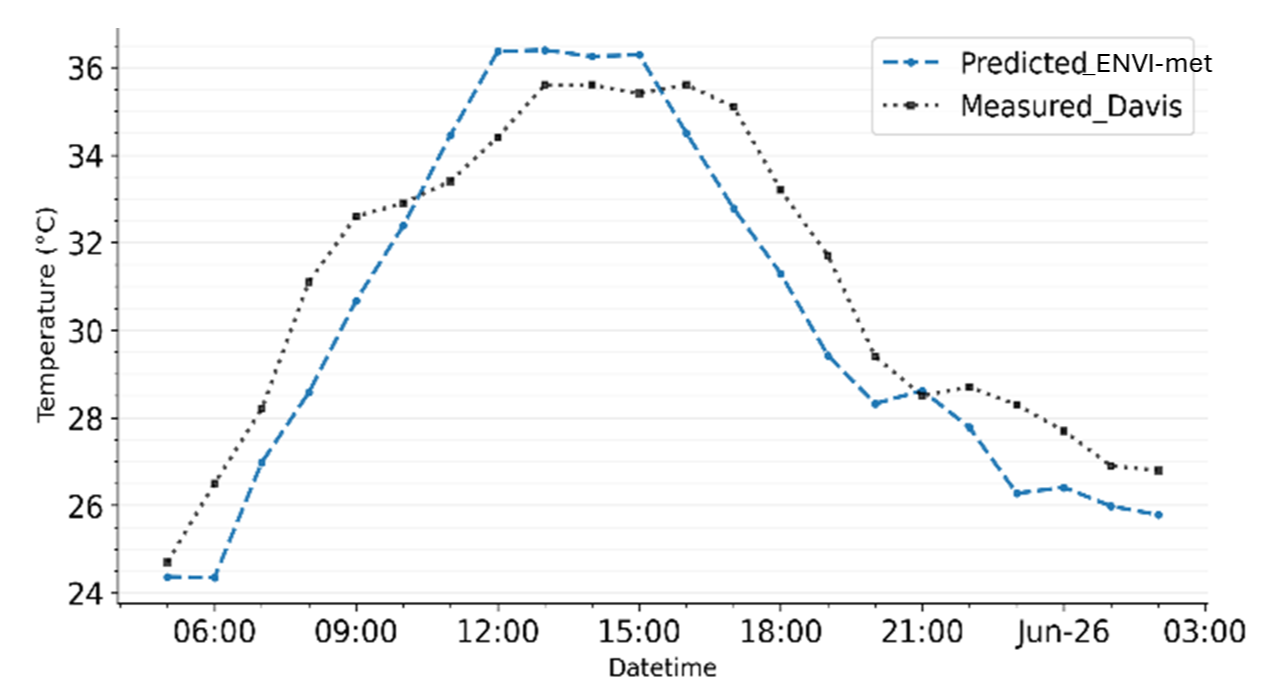
PROAMBIENTE, in collaboration with CNR-IBE, provides a microclimatic analysis service to support urban regeneration projects, based on three-dimensional numerical modelling and validation through in-field monitoring data.
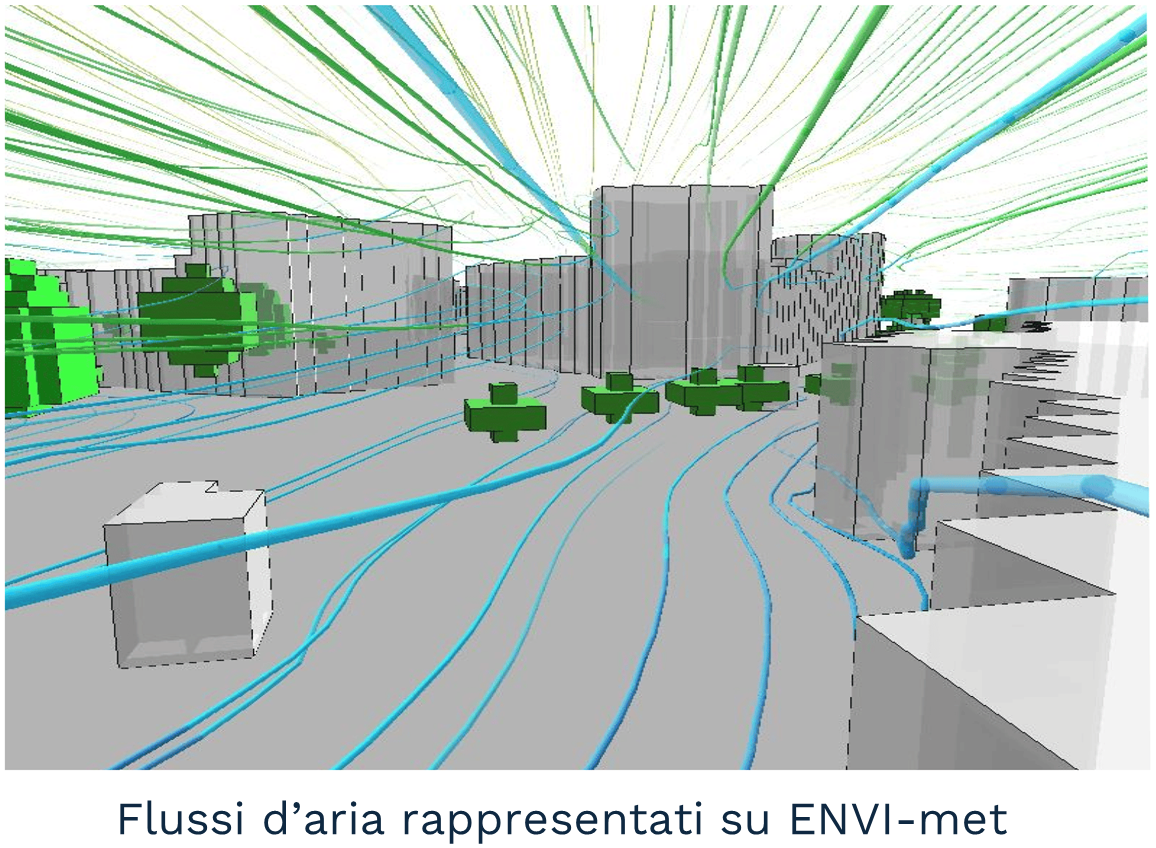
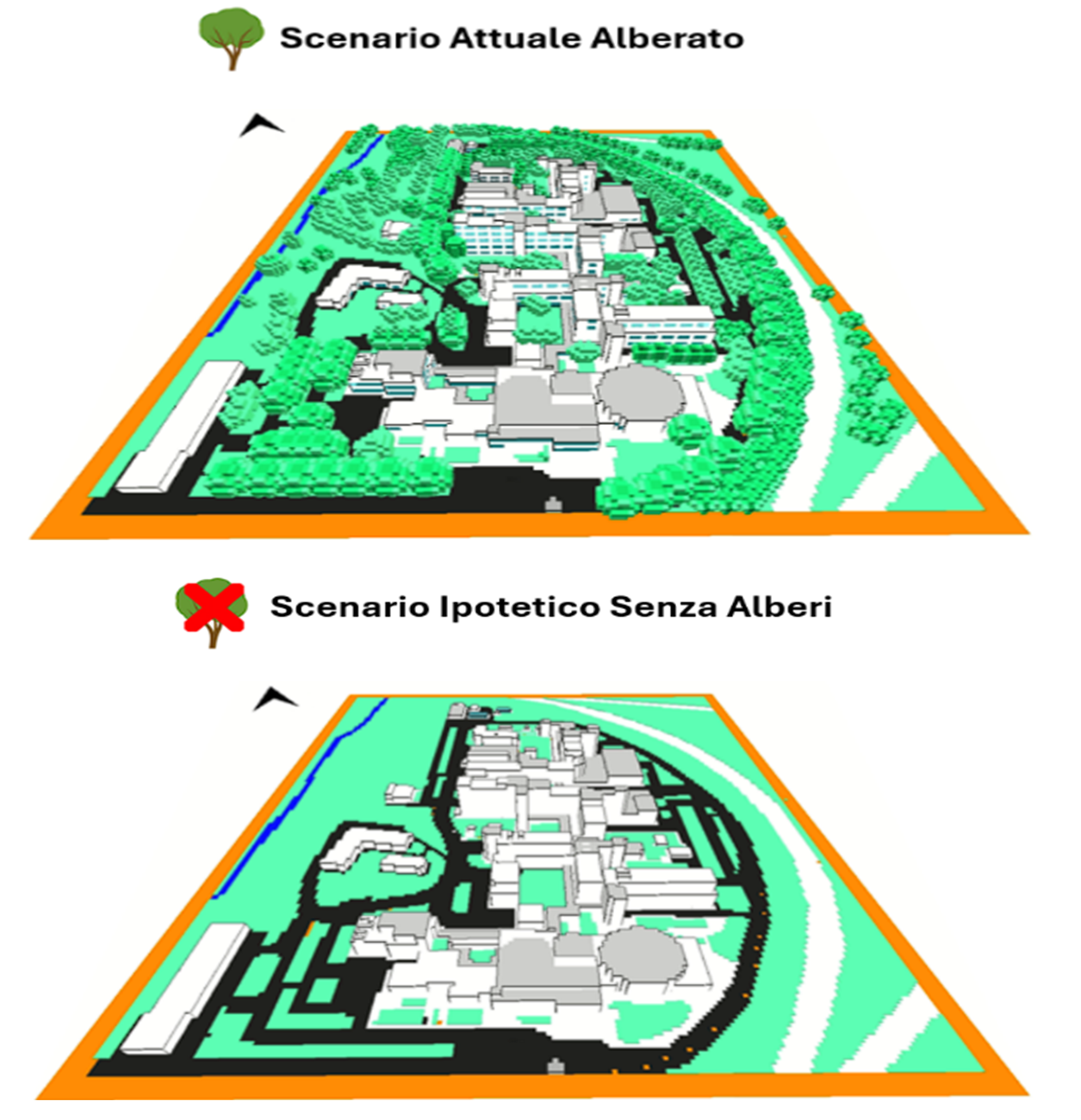
We use the ENVI-met model to simulate microclimatic conditions and analyse how materials, urban geometries and vegetation influence:
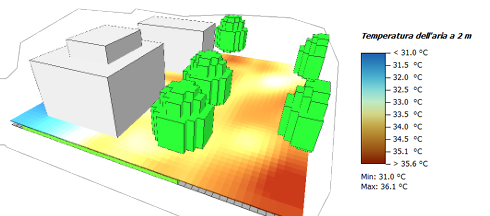
- air temperature
- humidity and airflow dynamics
- surface temperature
- outdoor thermal comfort (through biometeorological indices such as PET – Physiological Equivalent Temperature)
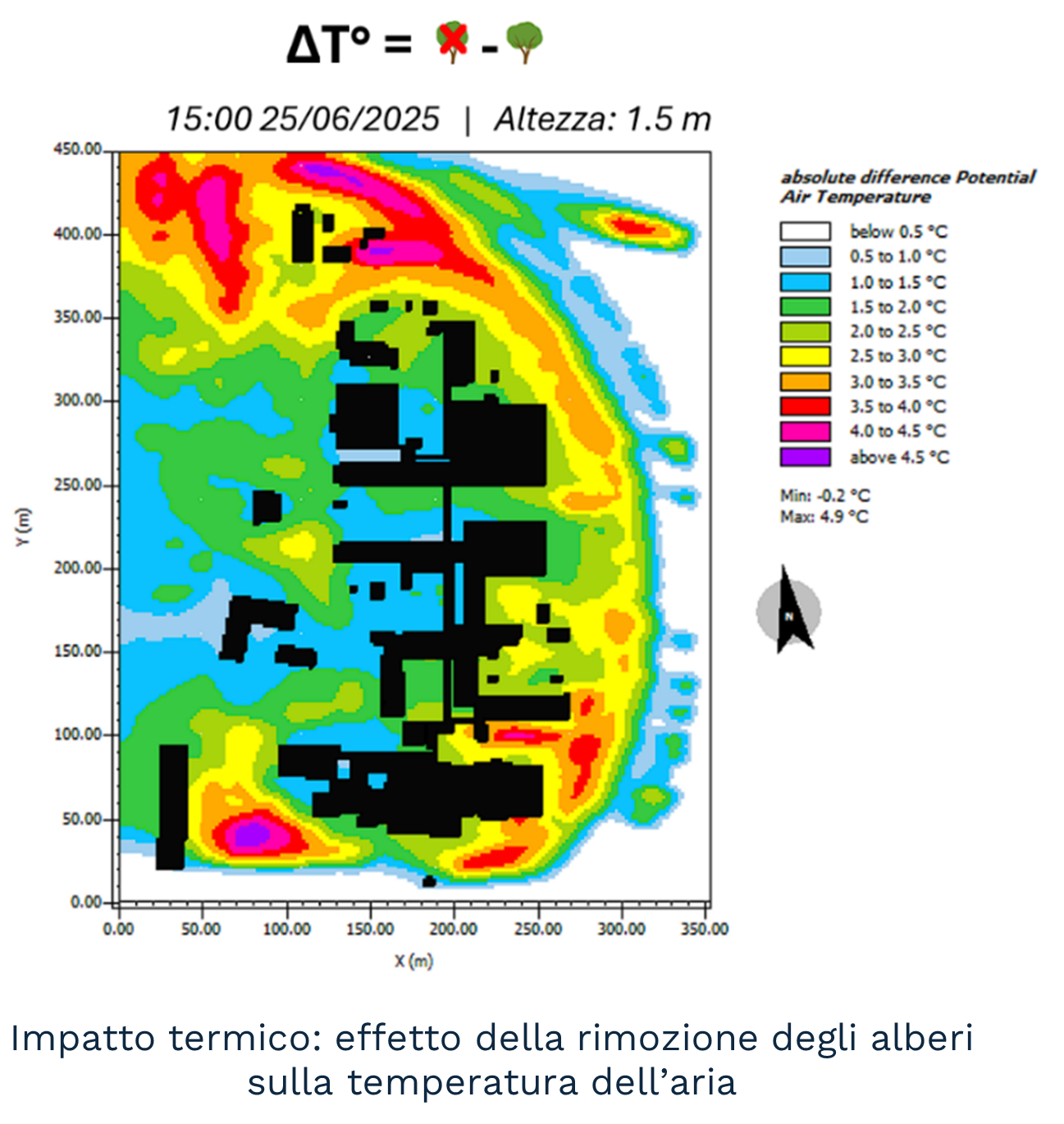
Comparing the baseline scenario with alternative design scenarios makes it possible to estimate and document, in advance, the capacity of interventions to mitigate the Urban Heat Island effect.
HOW THE ANALYSIS WORKS
The activity is structured into four main phases:
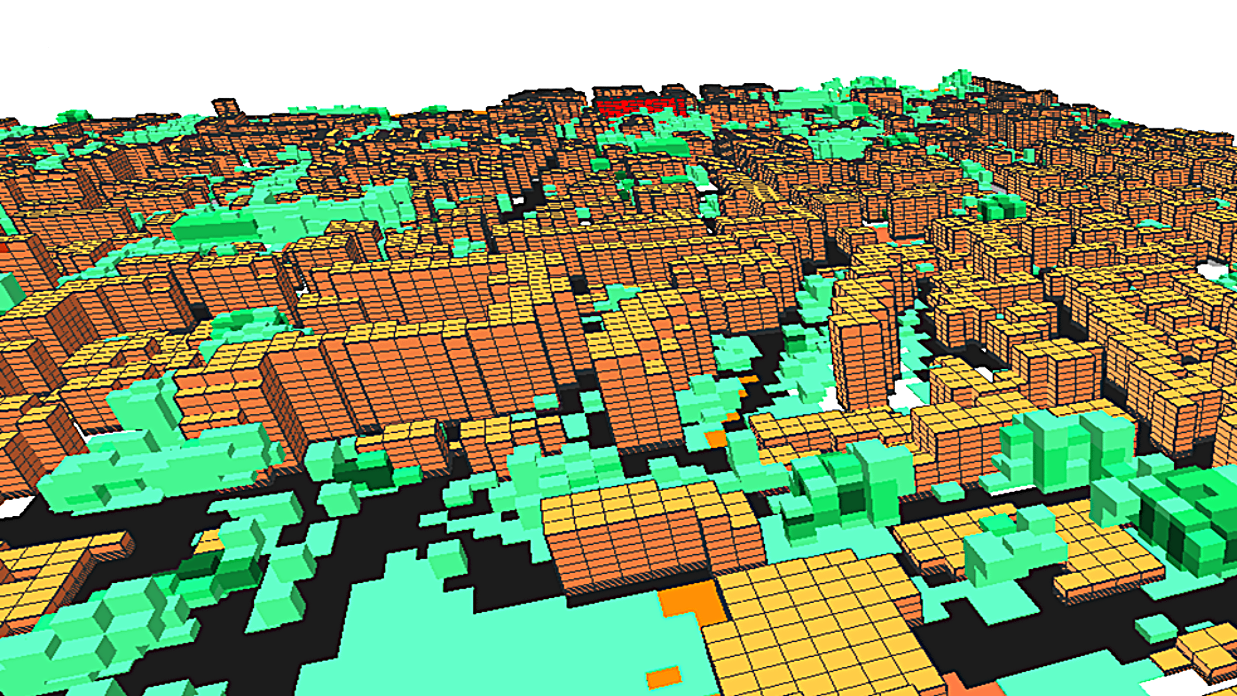
- 3D reconstruction of the urban area (buildings, surfaces, materials and vegetation)
- high-resolution microclimatic simulation under both summer and winter conditions
- comparison between alternative design scenarios
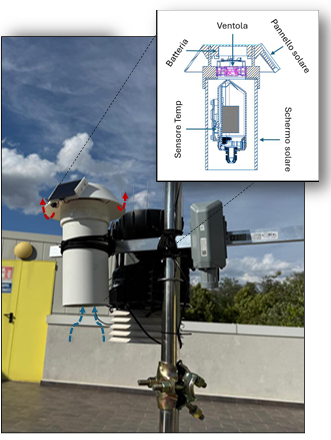
- validation of simulation outputs through real-world data collected by field-installed monitoring sensors
The simulations generate microclimatic maps and performance indicators, enabling quantitative assessment of intervention impacts in terms of thermal comfort, heat exposure and urban space quality.
WHAT YOU GAIN
Microclimatic analysis enables you to:
- quantify temperature variations and thermal comfort improvements
- identify critical heat-stress areas
- assess the effectiveness of urban vegetation and Nature-Based Solutions
- integrate microclimate as a technical design criterion within urban planning processes
The result is a decision-support technical tool that helps compare alternatives, justify design choices and demonstrate measurable impacts, contributing concretely to the development of more resilient, accessible and liveable urban spaces.
APPLICATION AREAS
- urban regeneration and district redevelopment
- parks, courtyards and public open spaces
- schools and educational outdoor environments
- urban masterplans, green infrastructure plans and municipal planning instruments
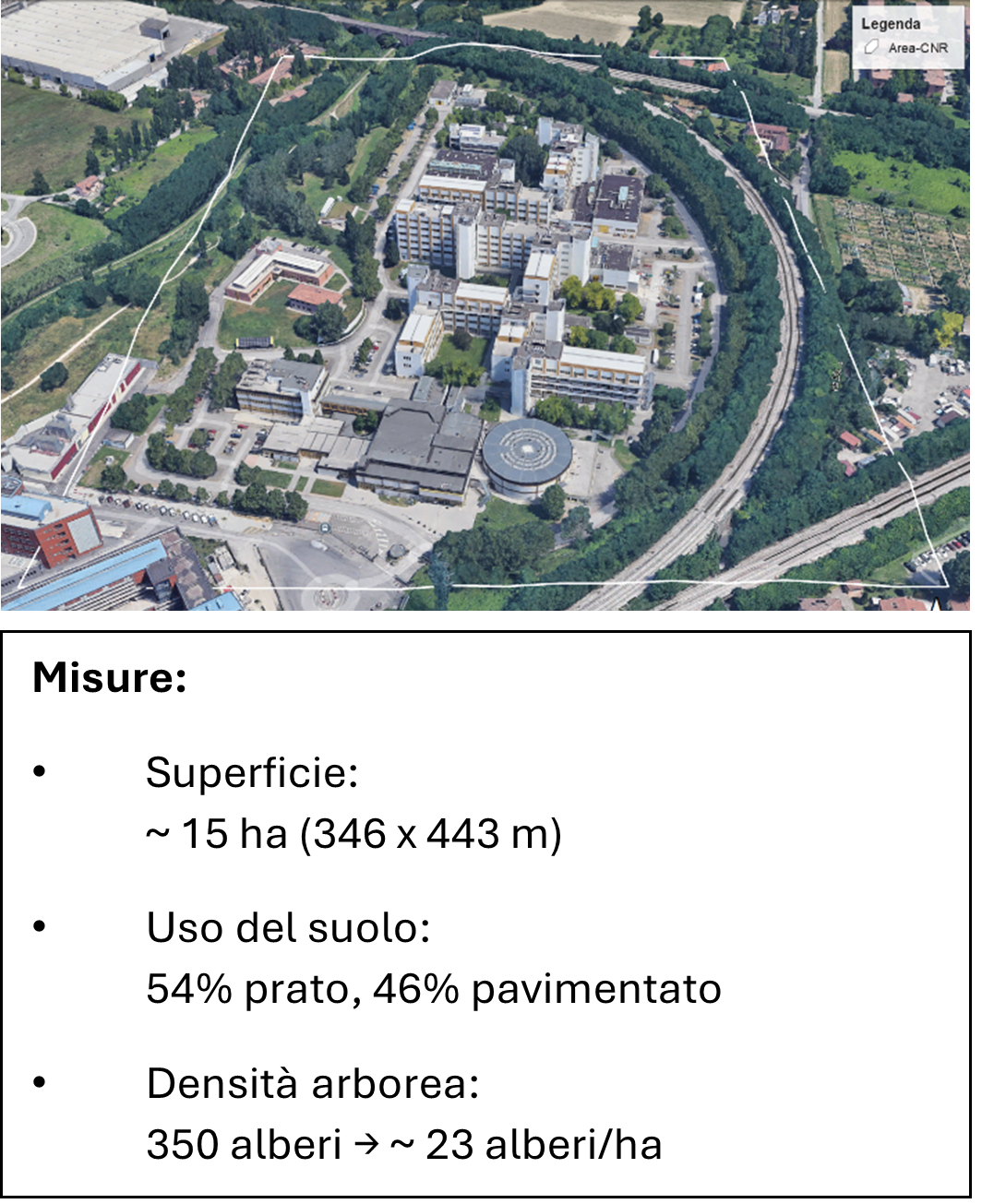
- large complex sites (campuses, industrial districts, infrastructure areas)
WHO THIS SERVICE IS FOR
- Public Administrations
- Architecture, urban planning and engineering firms
- Managers of large estates and real estate assets
- Organizations involved in urban regeneration and climate adaptation projects
Interested in assessing the microclimatic impact of an urban intervention?
Contact us for a tailor-made microclimatic analysis designed around your project.