WHY MONITOR THE ATMOSPHERE IN EXTREME ENVIRONMENTS
Extreme environments, such as high-altitude areas, remote territories, or locations with critical operational conditions, present complex atmospheric dynamics that remain only partially observed and understood. In these contexts, monitoring air quality and climate-related parameters is essential to investigate environmental processes, assess the impact of emissions, and support climate and ecosystem research.
WHAT PROAMBIENTE DOES
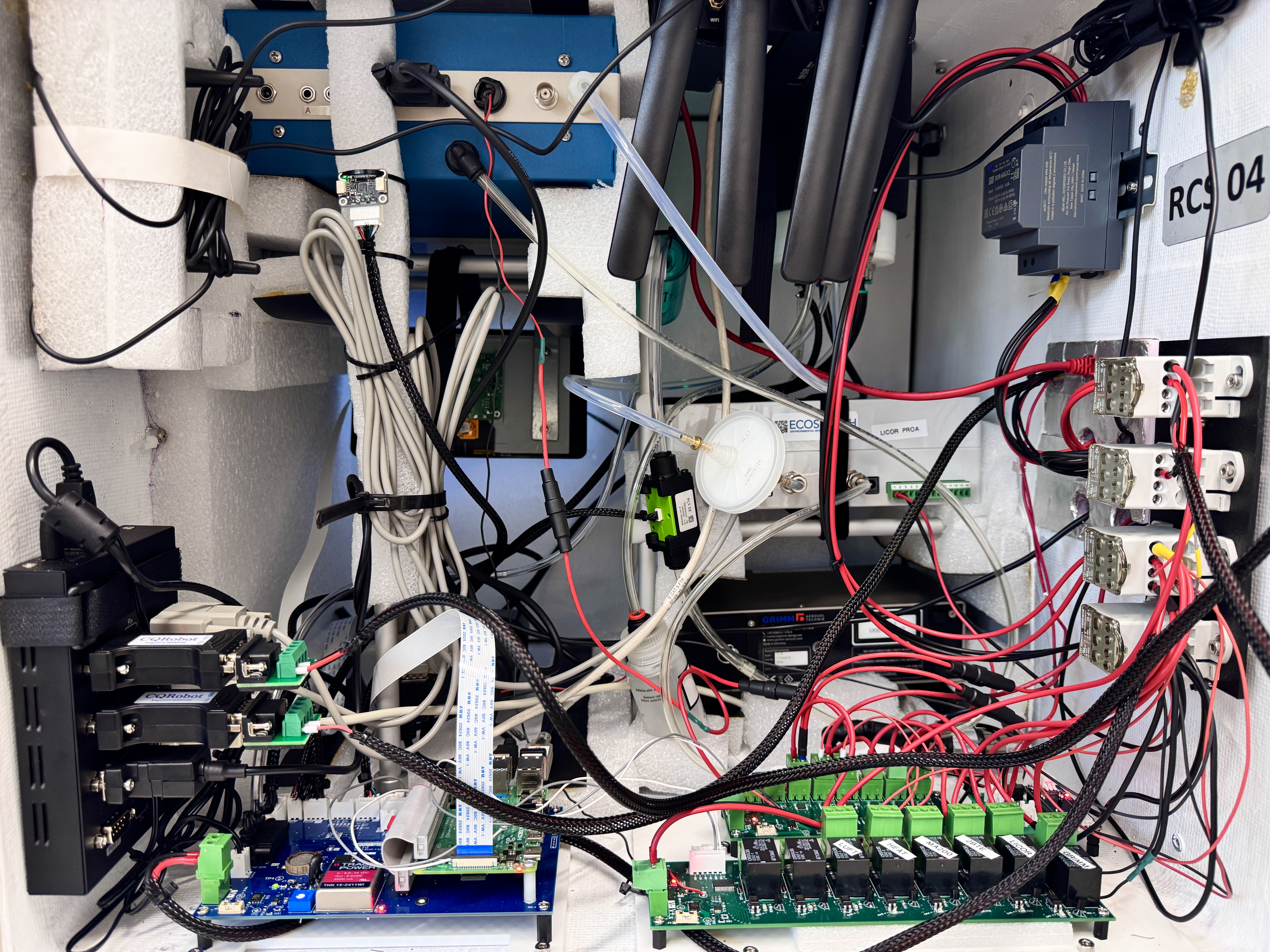
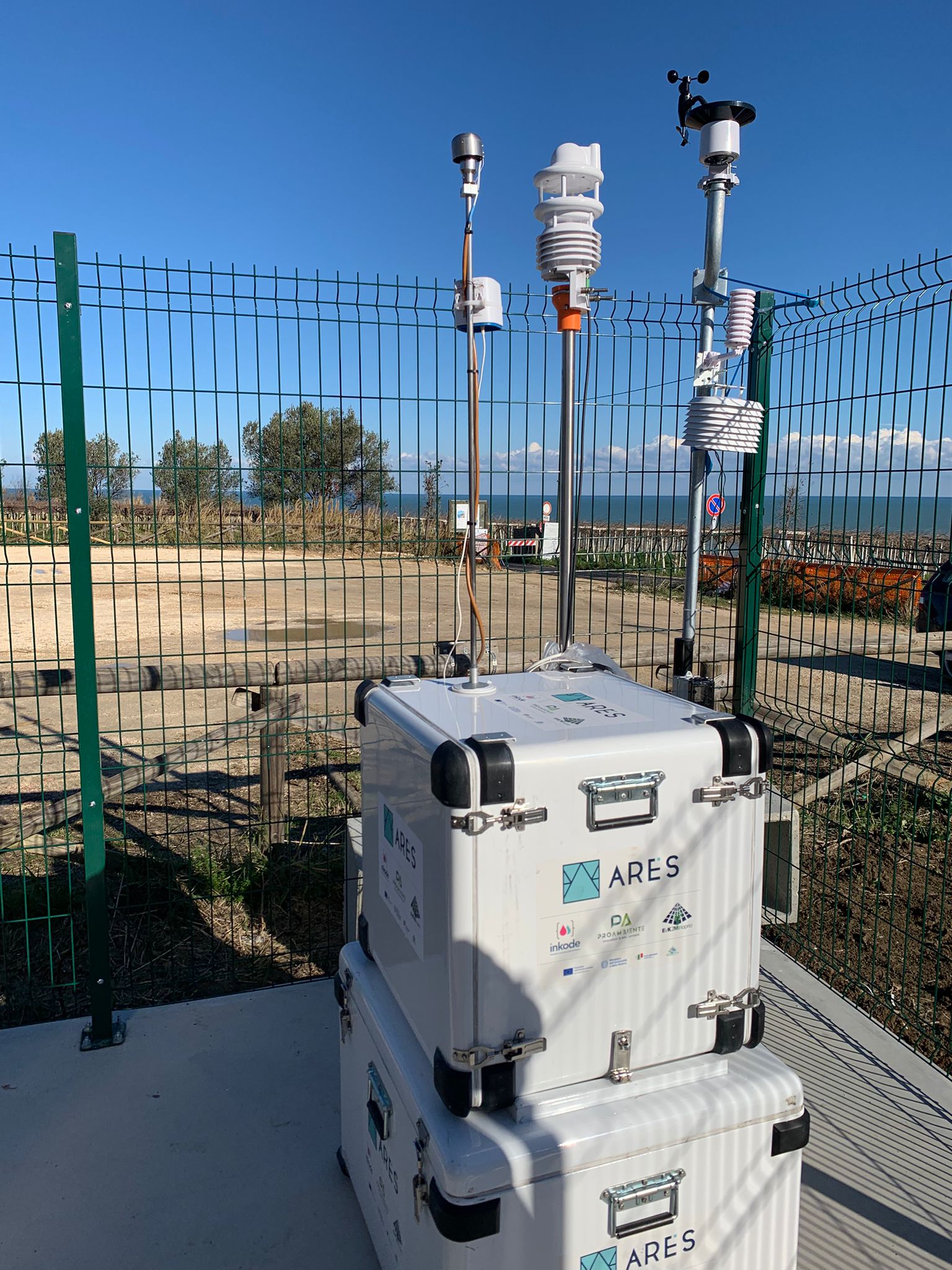
PROAMBIENTE develops and deploys autonomous atmospheric monitoring systems designed to operate in critical environments: isolated locations, hard-to-reach areas, or contexts characterized by extreme climatic conditions. These solutions integrate scientific instrumentation, continuous data acquisition and remote management capabilities.
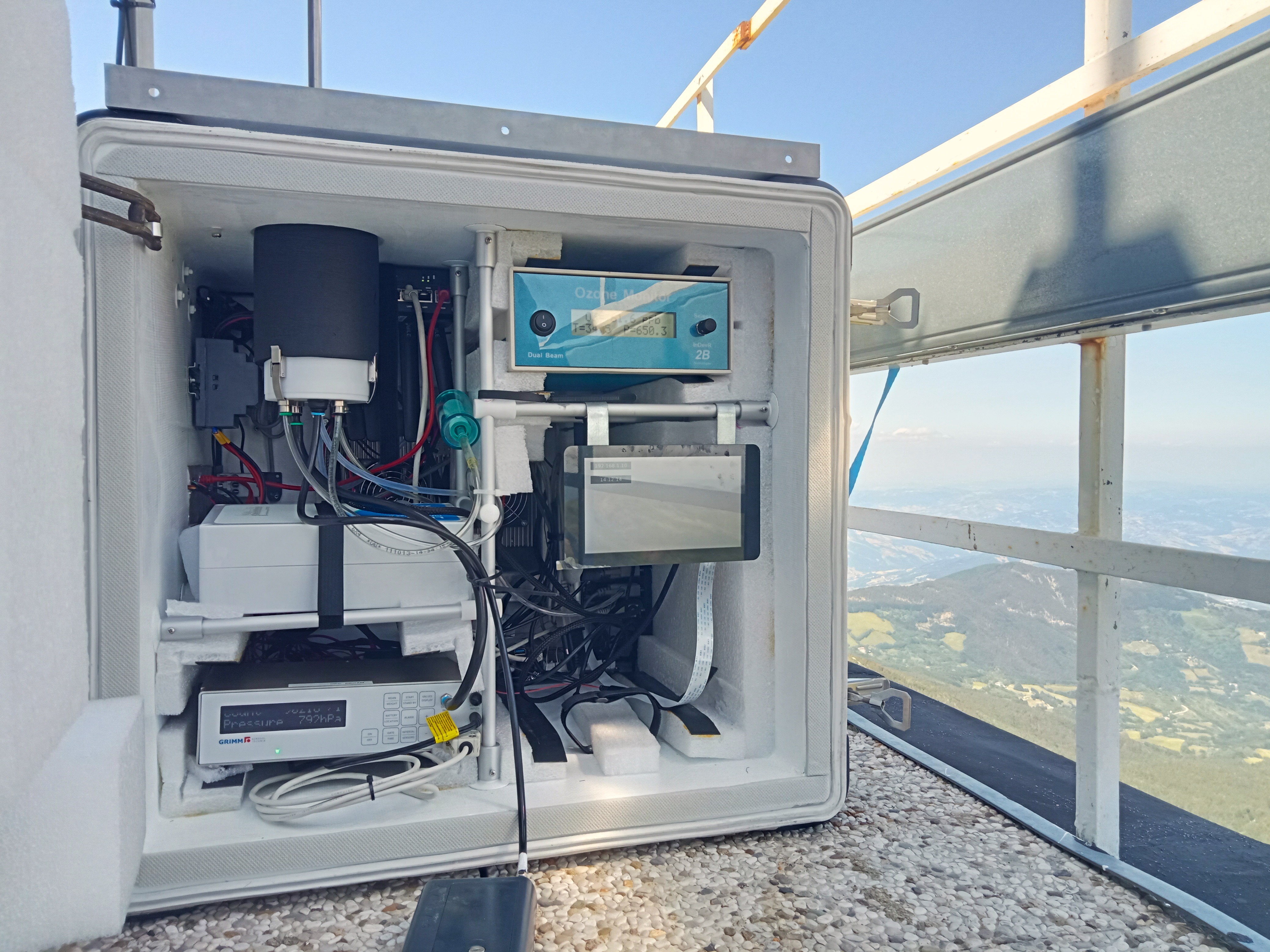
The systems are modular and application-configurable and, in their standard configuration, include sensors for monitoring:
- particle size distribution (OPC 0.3–30 µm)
- Black Carbon (BC)
- ozone (O₃)
- carbon dioxide (CO₂)
- meteorological parameters, including temperature, pressure, humidity, wind speed and wind direction
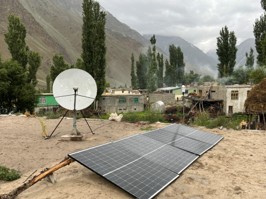
The ARES system is powered by renewable energy sources, combining photovoltaic panels and energy storage systems, and is designed for autonomous operation with remote control capabilities and intermittent connectivity.
A thermally controlled inlet system prevents icing phenomena and ensures measurement continuity, while an integrated thermal regulation system guarantees the correct operation of instruments under extreme atmospheric conditions.
APPLICATIONS AND PROJECTS
The system was developed by INKODE, PROAMBIENTE, EVK2Cnr, in collaboration with CNR-ISAC, within the ARES – Autonomous Remote Environmental Station project, funded under the PNRR – VITALITY programme, dedicated to studying the interactions between environment, health and technology.
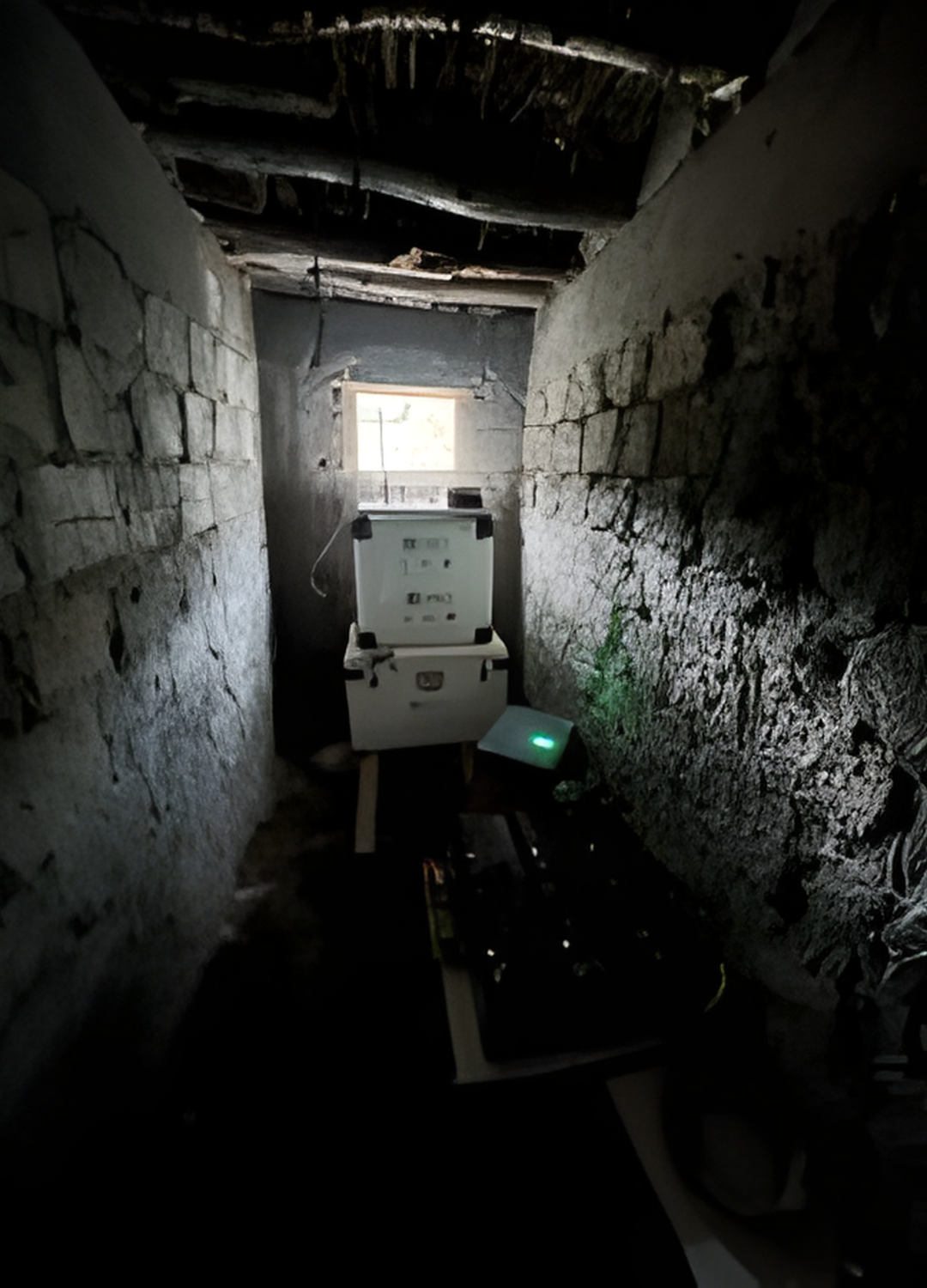
The ARES system has been tested in multiple environmental contexts to validate its robustness, reliability and replicability, including:
- CNR “Ottavio Vittori” Climate Observatory at Monte Cimone (2,165 m), a high-altitude GAW-WMO global monitoring station
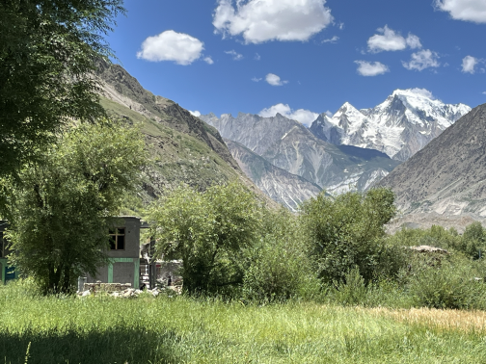
- Arandu Village (3,300 m), Pakistani Karakoram, during the Spantik 2025 expedition
- the Abruzzo coastline, near the University of Chieti-Pescara Trabocchi Observatory, where direct comparison with reference instrumentation is possible
OUTCOMES
The system enables:
- acquisition of atmospheric data in remote or difficult-to-access environments, including mountain, rural and urban areas
- investigation of the variability of aerosols and trace gases in under-monitored regions
- support for climate studies, environmental research and atmospheric science activities
- validation of monitoring technologies under extreme operational conditions
- generation of scientific evidence to support environmental management, planning and research strategies
WHO THIS SERVICE IS FOR
- research institutions and environmental agencies
- universities and scientific research centres
- organizations involved in climate and atmospheric research
- international environmental monitoring programmes and institutions
INTERESTED IN DEVELOPING AN ATMOSPHERIC MONITORING SYSTEM FOR EXTREME ENVIRONMENTS?
Contact us to design a tailor-made solution based on autonomous monitoring technologies and advanced scientific expertise