WHY USE ESEM MICROSCOPY
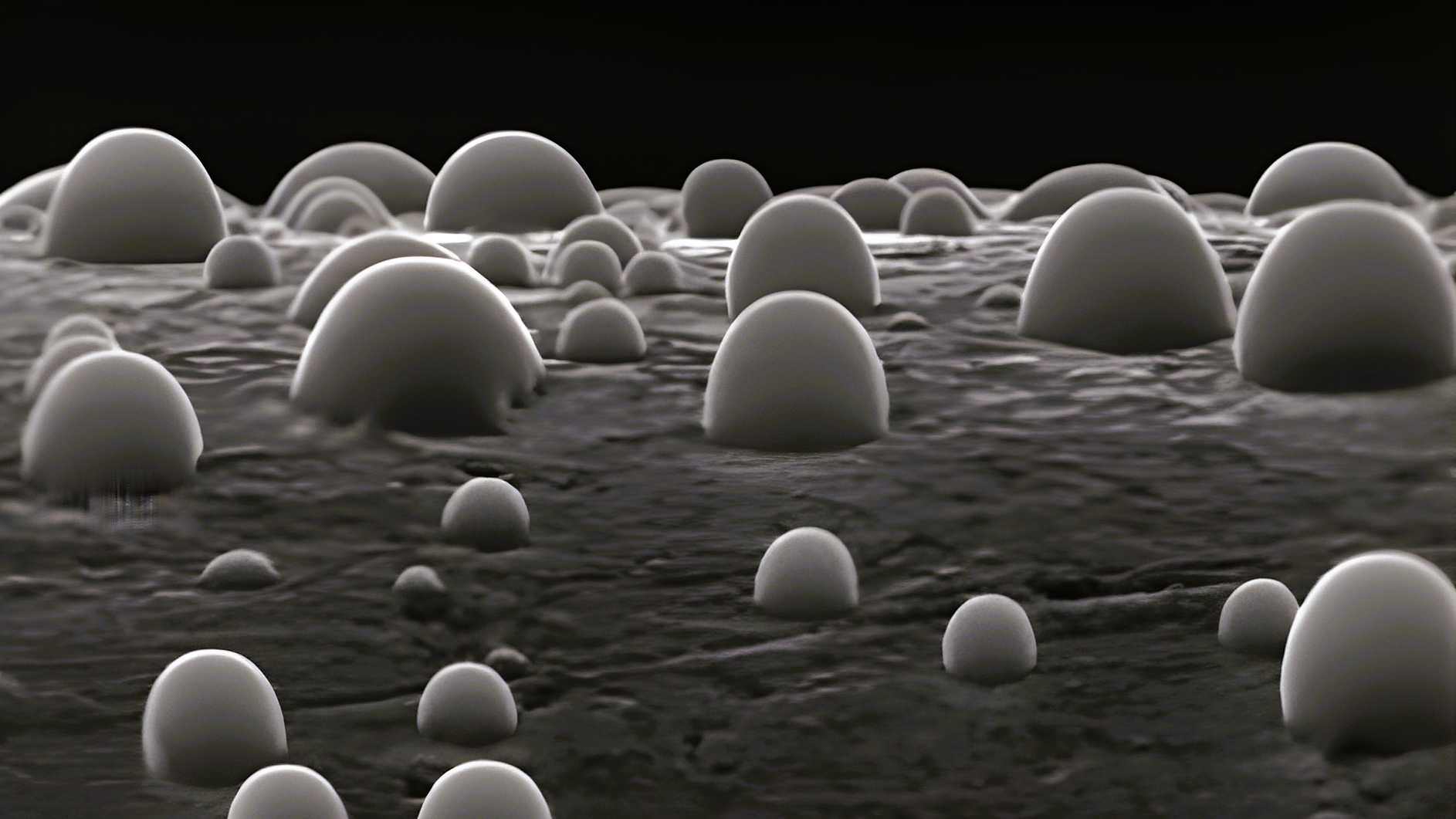
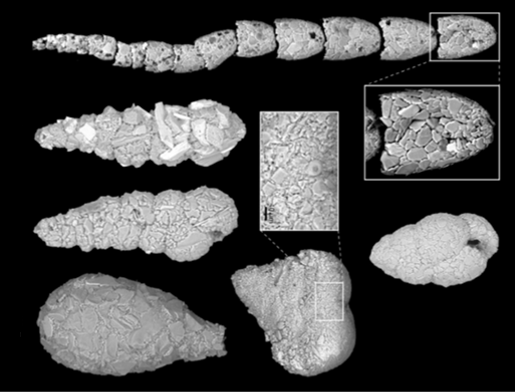
Environmental Scanning Electron Microscopy (ESEM) enables the observation of the morphology and microstructure of materials at very high resolution, while maintaining controlled environmental conditions.
Unlike conventional Scanning Electron Microscopy (SEM), ESEM allows the analysis of non-metallized, moist, porous or vacuum-sensitive samples, reducing sample preparation requirements and preserving the original characteristics of the material.
WHAT PROAMBIENTE DOES
PROAMBIENTE provides ESEM analytical services supporting activities such as:
- research and development
- materials characterization
- environmental, geological and industrial investigations
The service delivers qualitative and semi-quantitative information on the surface structure and composition of samples, including in complex application contexts.
HOW ESEM ANALYSIS WORKS
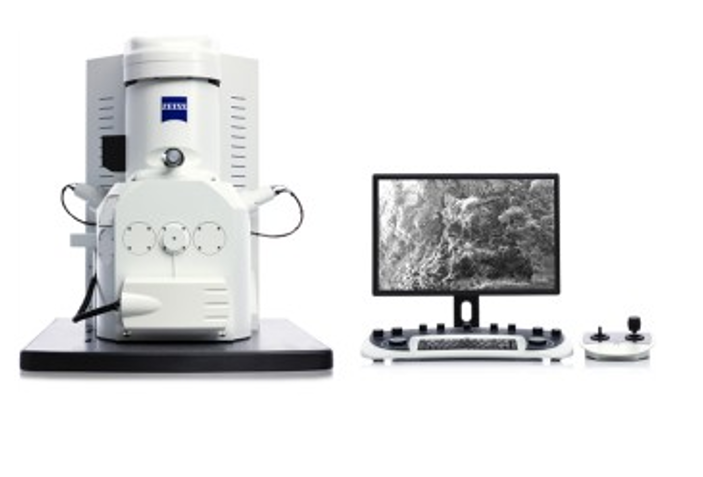
Analysis is performed using an Environmental Scanning Electron Microscope, which uses an electron beam to generate high-resolution images of the sample surface.
The technology enables:
- observation of samples under controlled pressure conditions
- analysis of non-conductive, moist or biological materials without metallization
- high-contrast morphological imaging
- investigation of microstructure and surface characteristics
- minimal sample preparation
- optional chemical microanalysis (EDS – Energy Dispersive Spectroscopy) for elemental identification
TYPES OF ANALYSABLE SAMPLES
- natural materials (sediments, soils, minerals)
- environmental samples
- composite and industrial materials
- powders and particulate matter
- biological or vacuum-sensitive samples
Need advanced microscopic analysis?
Contact us to assess the application of ESEM microscopy for your research, development or material characterization needs